






The Power of Civil Disobedience: A History of Nonviolent Resistance Movement
“Unyielding Voices, Transforming Nations: The Legacy of Nonviolent Resistance.”
Introduction
The Power of Civil Disobedience: A History of Nonviolent Resistance Movement explores the profound impact of peaceful protest in shaping social and political change throughout history. Rooted in the deliberate refusal to obey unjust laws, civil disobedience has been a powerful tool for marginalized groups and visionary leaders alike. From Henry David Thoreau’s foundational writings to the mass movements led by Mahatma Gandhi and Martin Luther King Jr., nonviolent resistance has challenged oppression, inspired global solidarity, and redefined the dynamics of power. This history reveals how moral courage and collective action can transform societies without the use of violence.
Key Figures Who Shaped The Civil Disobedience Movement
When it comes to the civil disobedience movement, it’s easy to picture a sea of people sitting peacefully on the ground, holding signs, and chanting slogans. But behind that collective calm lies a cast of characters so compelling, so determined, and sometimes so downright quirky, that they could easily headline their own reality show. These key figures didn’t just shape the movement; they practically wrote the rulebook on how to resist without throwing a single punch (or even a pie, for that matter).
Let’s start with the granddaddy of civil disobedience himself, Henry David Thoreau. Now, Thoreau wasn’t exactly the guy you’d expect to spark a global movement by refusing to pay a poll tax, but that’s exactly what he did. Picture this: a 19th-century philosopher who’d rather live in a cabin in the woods than comply with laws he found unjust. His essay, “Civil Disobedience,” is basically the original “How to Say No Without Getting Arrested” manual. Thoreau’s quiet rebellion against slavery and the Mexican-American War planted the seed for future activists who realized that sometimes, the best way to fight injustice is to simply not play along.
Fast forward a few decades, and you meet Mahatma Gandhi, the man who took Thoreau’s ideas and turned them into a full-blown movement that made the British Empire sweat. Gandhi’s approach was like the ultimate life hack for resistance: nonviolence, or “ahimsa,” combined with a bit of cheeky defiance. Whether it was leading the Salt March or encouraging Indians to spin their own cloth instead of buying British textiles, Gandhi showed the world that you could topple an empire armed with nothing but a walking stick and a stubborn refusal to cooperate. His knack for turning everyday acts into powerful political statements made him a legend, and his influence still echoes in protests worldwide.
Meanwhile, across the Atlantic, another key figure was making waves: Rosa Parks. Now, Rosa wasn’t just a tired woman who refused to give up her bus seat; she was a strategic mastermind who understood the power of a single act of defiance. Her quiet “no” sparked the Montgomery Bus Boycott, a 381-day protest that proved civil disobedience could be both effective and exhausting (for the bus companies, at least). Parks’ courage wasn’t about grand speeches or dramatic gestures; it was about standing firm in the face of everyday injustice, reminding us all that sometimes, the smallest acts can have the biggest impact.
Then there’s Martin Luther King Jr., who took the baton from Parks and ran with it—sometimes literally. King’s speeches were so powerful they could make you want to march, sing, and maybe even hug a stranger all at once. His philosophy of nonviolent resistance was deeply influenced by Gandhi, but King added his own flair, blending religious conviction with a keen sense of timing and showmanship. Whether leading the Selma marches or delivering the iconic “I Have a Dream” speech, King showed that civil disobedience wasn’t just about breaking laws; it was about breaking hearts and minds open to change.
Of course, the civil disobedience movement isn’t just a story of men; women like Ella Baker and Dolores Huerta played crucial roles behind the scenes, organizing, strategizing, and making sure the movement didn’t lose its way. Baker’s emphasis on grassroots leadership and Huerta’s tireless work for farmworkers’ rights remind us that civil disobedience is as much about community as it is about confrontation.
In the end, these key figures teach us that civil disobedience isn’t just a tactic; it’s an art form. It requires courage, creativity, and a healthy dose of stubbornness. So next time you see a peaceful protest, remember the quirky, brilliant, and sometimes downright stubborn people who paved the way—proving that sometimes, the pen (or the protest sign) really is mightier than the sword.
Major Events That Defined Nonviolent Resistance
When it comes to making a point without throwing a punch, nonviolent resistance has been the ultimate mic drop throughout history. Major events that defined this peaceful yet powerful approach to change read like a greatest hits album of civil disobedience, each one proving that sometimes, the best way to shake the system is by standing still—or sitting down, or refusing to pay a tax, or simply refusing to move. Let’s take a stroll through some of these iconic moments, where people chose the power of “no” without the need for a single thrown tomato.
First up, the Boston Tea Party of 1773. Picture this: a group of colonists, fed up with British taxes on their beloved tea, decide to throw a party—literally. Instead of RSVP-ing, they boarded ships and dumped an entire shipment of tea into Boston Harbor. No fists, no swords, just a whole lot of soggy leaves. This act of defiance wasn’t just about tea; it was a bold statement that taxation without representation was about as welcome as a skunk at a garden party. The British government, understandably miffed, responded with stricter laws, but the colonists had already brewed a revolution.
Fast forward to the 19th century, where Henry David Thoreau took civil disobedience to a philosophical level. In 1846, he refused to pay a poll tax that funded the Mexican-American War, which he opposed on moral grounds. His brief stint in jail inspired his famous essay, “Civil Disobedience,” which basically says, “If the government is being a jerk, you don’t have to play along.” Thoreau’s words became the secret sauce for many future activists who wanted to protest without punching.
Speaking of future activists, enter Mahatma Gandhi, the grandmaster of peaceful protest. In the early 20th century, Gandhi led India’s struggle for independence from British rule with a strategy that was as simple as it was effective: nonviolent resistance. One of his most famous moves was the Salt March in 1930, where he and thousands of followers walked 240 miles to the sea to make their own salt, defying British laws that taxed this everyday mineral. It was like the ultimate “DIY” project with a political twist. The British authorities were left scratching their heads, realizing that you can’t easily arrest a whole crowd armed with nothing but salt and determination.
Meanwhile, across the Atlantic, the American civil rights movement was cooking up its own recipe for change. In 1955, Rosa Parks famously refused to give up her bus seat to a white passenger in Montgomery, Alabama. This simple act of defiance sparked the Montgomery Bus Boycott, a 381-day mass protest that showed segregationists that sitting down could be just as powerful as standing up. The boycott wasn’t just about bus seats; it was about dignity, equality, and the audacity to say, “No, thank you,” to injustice.
These events, among many others, highlight how nonviolent resistance has been a clever way to challenge authority without resorting to chaos. It’s like the ultimate “keep calm and carry on” strategy, but with a twist: carry on with purpose, with courage, and maybe a little bit of sass. From tea-dumping colonists to salt-making marchers and bus-sitting heroes, nonviolent resistance has proven time and again that sometimes, the pen—or the protest sign—is mightier than the sword. So next time you’re tempted to throw a tantrum, remember these history-makers who showed us that standing firm, without throwing a punch, can change the world.
The Impact Of Civil Disobedience On Modern Social Justice Movements
When you think about civil disobedience, you might picture a bunch of people sitting on the sidewalk, refusing to move because they’re protesting something they find utterly ridiculous—like a law that says you can’t wear socks with sandals (which, honestly, should be a crime in itself). But beyond the quirky image, civil disobedience has been a powerhouse tool in shaping modern social justice movements, proving that sometimes, the best way to shake things up is by politely saying, “No, thanks,” and standing your ground.
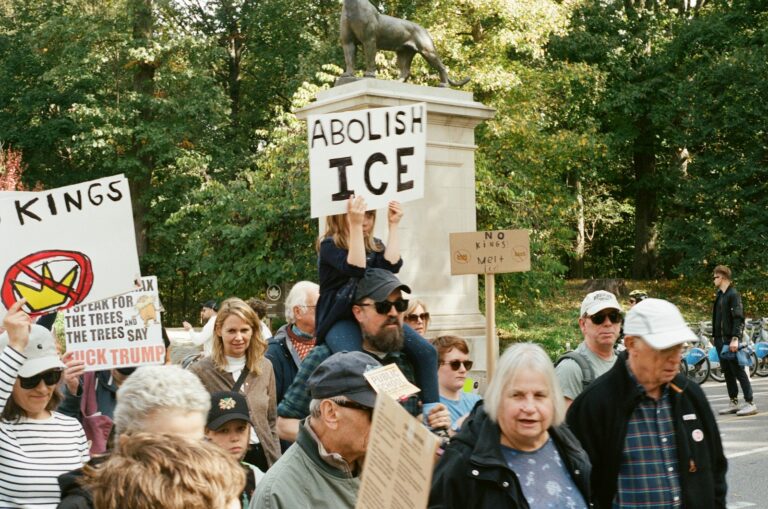
The impact of civil disobedience on today’s social justice landscape is like that secret sauce in your favorite burger—subtle but absolutely essential. It’s the method that allows ordinary folks to challenge extraordinary injustices without resorting to throwing pies in politicians’ faces (though, admittedly, that might be fun). From the iconic sit-ins during the Civil Rights Movement to the more recent climate strikes led by passionate teenagers, civil disobedience has been the backbone of many campaigns that demand change without breaking a sweat—or a window.
One of the reasons civil disobedience remains so effective is its ability to highlight the absurdity of certain laws or policies by simply refusing to comply. It’s like when your friend insists on paying for dinner but you just keep handing the waiter your credit card with a smile and a “Nope, I got this.” The refusal to cooperate forces those in power to confront the issue head-on, often exposing the injustice in a way that loud protests or angry tweets sometimes can’t. Plus, it’s hard to argue with someone who’s peacefully sitting on the floor, blocking traffic, and refusing to budge because they believe in a cause.
Modern social justice movements have taken this age-old tactic and given it a 21st-century makeover. Thanks to social media, a peaceful sit-in can go viral faster than a cat video, amplifying the message far beyond the immediate location. Take, for example, the global climate strikes inspired by Greta Thunberg, where students around the world skip school—not because they’re lazy, but because they’re demanding urgent action on climate change. Their refusal to attend class is a classic form of civil disobedience, and it’s gotten the attention of politicians, corporations, and even your neighbor who still thinks recycling is optional.
Moreover, civil disobedience has a way of humanizing social justice movements. When people see protesters calmly accepting arrest or sitting quietly in jail cells, it’s hard not to feel a twinge of respect—or at least curiosity. This human element can sway public opinion, turning skeptics into supporters and bystanders into activists. It’s like when you watch a movie and suddenly root for the underdog because they’re just so darn likable, even if they’re breaking a few rules.
Of course, civil disobedience isn’t without its challenges. It requires patience, courage, and sometimes a really good pair of shoes for all that standing and sitting. But its impact on modern social justice movements is undeniable. It reminds us that change doesn’t always come from shouting the loudest or throwing the biggest tantrum; sometimes, it comes from quietly but firmly saying, “This isn’t right,” and being willing to face the consequences.
In the end, civil disobedience is like the ultimate mic drop in the world of activism. It’s a way to disrupt the status quo with dignity, humor, and a touch of rebellious charm. So next time you see a peaceful protest or hear about a sit-in, remember: behind those calm faces and steady chants lies a powerful tradition that has shaped history and continues to inspire the fight for justice today. And who knows? Maybe one day, you’ll find yourself sitting on the sidewalk, socks and sandals aside, making your own small but mighty stand.
Conclusion
The power of civil disobedience lies in its ability to challenge injustice through peaceful means, inspiring social and political change without resorting to violence. Throughout history, nonviolent resistance movements have demonstrated that collective moral courage and steadfast commitment to justice can dismantle oppressive systems, galvanize public support, and reshape societies. This enduring legacy underscores civil disobedience as a potent tool for achieving lasting reform and advancing human rights worldwide.