







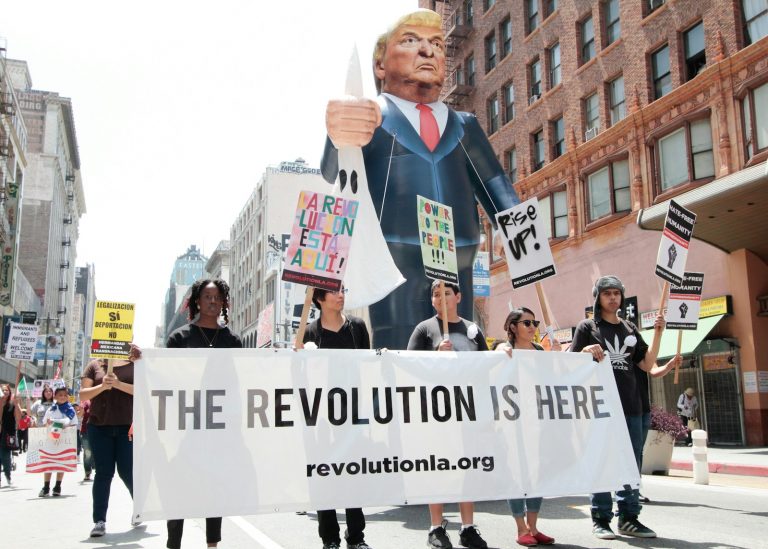
Rebellion has been a recurring theme throughout human history, sparking revolutions, shaping societies, and influencing cultural movements. From the American Revolution to the Arab Spring, rebellions have challenged authority, questioned norms, and driven change. In this article, we will explore the concept of rebellion, its causes and effects, famous rebels, and its relevance in the modern world.
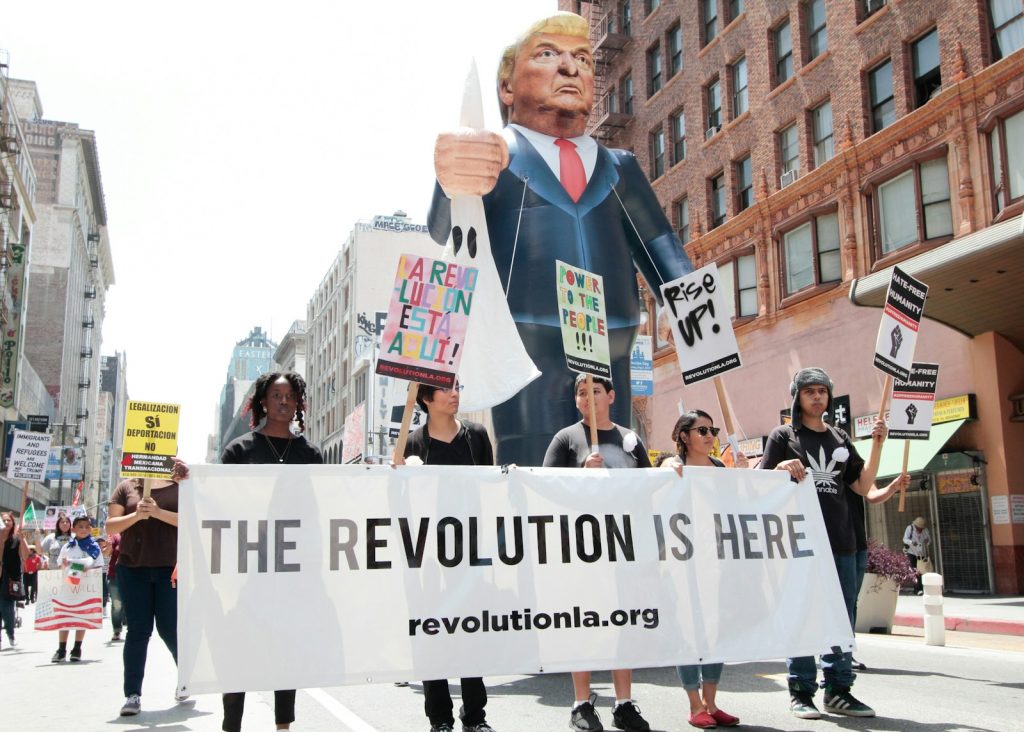
Historical Examples of Rebellion
Throughout history, rebellions have been pivotal in shaping the course of nations. The French Revolution, led by revolutionaries seeking to overthrow the monarchy, marked a turning point in European history. The Boxer Rebellion in China, the Boston Tea Party in the American colonies, and the Indian Rebellion of 1857 against British rule are all examples of how rebellion can ignite significant political and social change.
Causes of Rebellion
Rebellion often stems from a sense of injustice, inequality, or oppression. Economic hardship, political corruption, social discrimination, and cultural repression can all fuel the flames of rebellion. In many cases, rebels are driven by a desire for freedom, autonomy, and self-determination.
Effects of Rebellion
Rebellions can have far-reaching consequences, impacting not only the immediate political landscape but also shaping the future trajectory of societies. While some rebellions have succeeded in toppling oppressive regimes and bringing about positive change, others have led to violence, chaos, and instability.
Forms of Rebellion
Rebellion can take many forms, from peaceful protests and civil disobedience to armed uprisings and guerrilla warfare. Non-violent resistance, popularized by figures like Mahatma Gandhi and Martin Luther King Jr., has been a powerful tool for challenging authority and mobilizing mass movements.
Famous Rebels in History
Throughout history, there have been iconic figures who have defied the status quo and dared to challenge the powers that be. From Joan of Arc leading the French army to victory to Che Guevara fighting for revolution in Latin America, rebels have inspired generations with their courage and conviction.
Rebellion in Literature and Pop Culture
The theme of rebellion has been a recurring motif in literature and pop culture, from Shakespeare’s plays to dystopian novels like George Orwell’s “1984” and Suzanne Collins’ “The Hunger Games.” Rebels and outcasts often serve as symbols of defiance against oppressive systems and social norms.
Rebellion vs Revolution
While rebellion and revolution are often used interchangeably, there is a subtle distinction between the two. Rebellion typically refers to acts of resistance or defiance against authority, while revolution implies a more systematic and transformative change in the existing order.
The Psychology of Rebellion
Psychologically, rebellion can be seen as a form of individual or collective assertion of identity and agency. Rebels often challenge established norms and values in pursuit of personal or political goals, seeking to carve out their own path in a world that may seem restrictive or oppressive.
Rebellion in the Modern World
In the digital age, rebellion has taken on new forms, with social media platforms serving as powerful tools for organizing protests, mobilizing dissent, and amplifying voices of resistance. Movements like #BlackLivesMatter and #MeToo have harnessed the power of social media to spark social change and challenge entrenched power structures.
 Managing Rebellion
For leaders and authorities, managing rebellion requires a delicate balance of addressing legitimate grievances, maintaining order, and upholding democratic principles. Repression and crackdowns can often backfire, fueling further discontent and radicalizing opposition movements.
The Impact of Social Media on Rebellion
Social media has fundamentally changed the landscape of rebellion, providing a platform for marginalized voices to be heard, mobilizing mass protests, and exposing injustices to a global audience. The viral spread of information and images can galvanize support for rebellious causes and hold authorities accountable.
Ways to Channel Rebellion Positively
While rebellion can be disruptive and confrontational, it can also be a force for positive change and progress. By channeling rebellious energy into constructive pursuits, such as advocacy, activism, and social entrepreneurship, individuals and communities can effect meaningful and lasting change.
The Future of Rebellion
As we look to the future, the spirit of rebellion will continue to shape our world, inspiring people to challenge injustice, fight for equality, and reimagine society. In an era of growing social and political upheaval, rebellion remains a powerful force for transformation and renewal.
In conclusion, rebellion is a complex and multifaceted phenomenon that has played a central role in human history. From ancient uprisings to modern-day social movements, rebellion has served as a catalyst for change, a symbol of resistance, and a testament to the power of the human spirit. As we navigate the challenges of our time, let us embrace the spirit of rebellion in pursuit of a more just, equitable, and inclusive world.